Feminist Frames
8 cortometraggiFEMINIST FRAMES is an international group of feminist filmmakers who make independent films in a creative dialogue with various artistic disciplines.
The aim of FEMINIST FRAMES is to create a network for mutual support, co-creation, and the sharing of resources; and to be a space for feminist reflection on the work of filmmaking.
During the last two editions of the Festival dei Popoli (Florence, Italy), FEMINIST FRAMES curated an itinerary of film screenings by women filmmakers on feminist and militant themes.
In July 2025, FF held its first week-long Summer Residency, in Gombola (Modena, Italy), with special guest Claire Simon.
During these meetings, Feminist Frames have experimented with methodologies for co-creation and support across difference.
FEMINIST FRAMES are: Güliz Sağlam, Soheila Javaheri, Elli Vassalou | The Post Collective, Mirra Markhaeva | The Post Collective, Lisa Çalan, Giulia Cosentino, Mariangela Ciccarello, Tuğba Yaşar, Claudia Tosi, Oliwia Tado, Rosa Barotsi, Margherita Monti, Valeria Weerasinghe, Chiara Caterina, Nagehan Uskan, Ahu Öztürk, Elif Yiğit, Ro Caminal, Geli Mademli, Ruken Ergüneş Özdemir, Sophia Farantatou.
Part of the group previously came together during the three-year project Purple Meridians (2020-2023), funded by Eurimages.
FEMINIST FRAMES is supported by the research project IMFilm: Filmmaking Cultures Beyond the Industry (financed by ‘Unione Europea — NextGenerationEU), based at Università di Modena e Reggio Emilia.
Partner




- Film
- Review info
- Altre rassegne

In One Drop
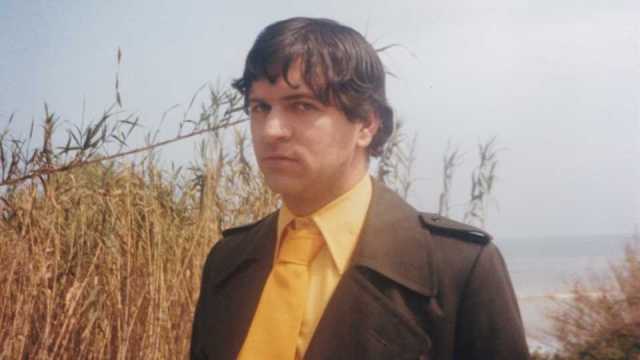
Split between two cultures, a young girl falls into an imaginary jungle to escape her daily life.

Enchantment
The voices of five women gradually fill the sound space of the film, weaving a pattern: a tarot card reader.
Color of the Stone
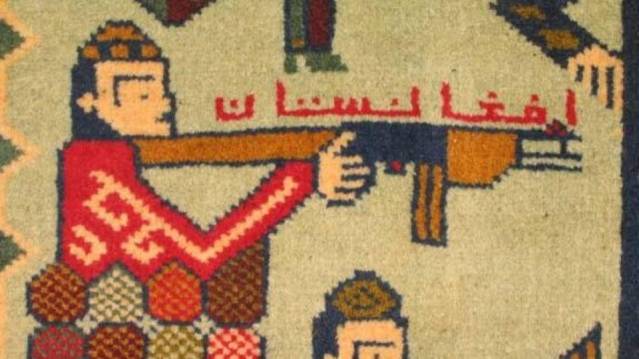
Weaving the personal into the political, this film traces how the collective memory ignited by the burning of Kurdish villages in the 1990s Turkey has been transformed across generations, starting from a family album.
Bitter September
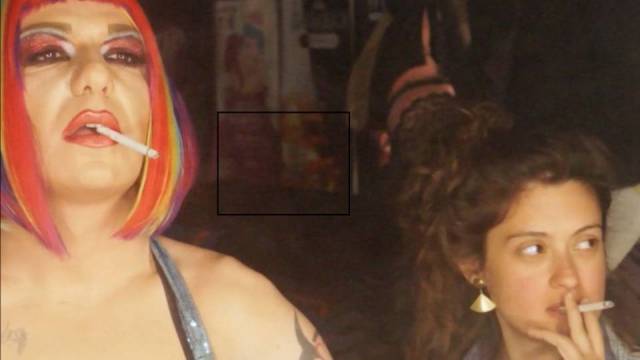
After the murder of the Greek-American LGBTQ activist Zak Kostopoulos, his childhood friend Sophia Farantatou returns to Greece.
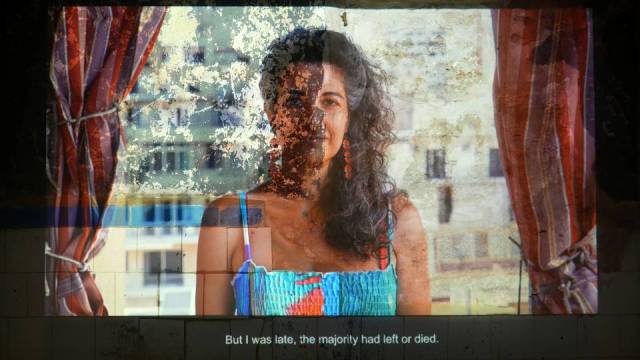
Msaytbeh, The Elevated Place
After a twenty year absence, Rawane Nassif returns home in Msaytbeh, Beirut.
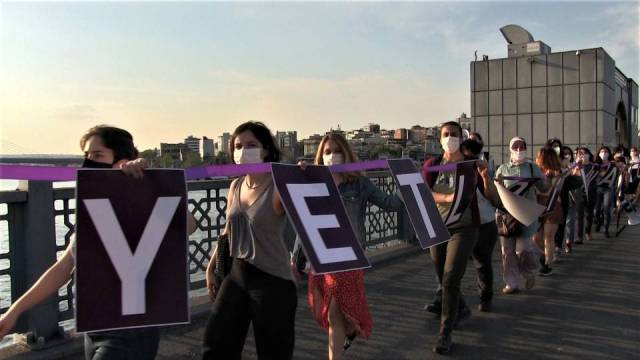
İçeridenDışarıya O Kalabalığı Hatırla (Remember The March) – Güliz Sağlam
Is staying home enough to stay alive in pandemic times?
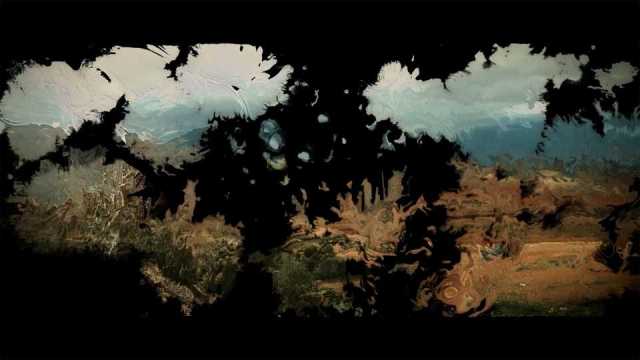
Bled el Siba (Rebel Land)
Bled el Siba is the name given in Morocco to the lands that did not accept the authority of the Sultan and, therefore, neither that of the colonizers. An historical journey in the Irzan female poetic tradition.
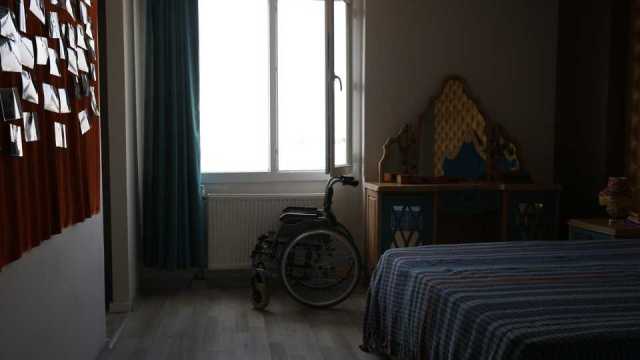
SÎSEBAN
A young woman sits alone on her bed, tense, angry, and utterly desperate. The wheelchair that should be right beside her is a full meter away.
Synopsis
Quando sogna l’uguaglianza la sua voce diventa spesso incattivita;
sogna sempre la rivolta, qualche volta la vendetta– Rossana Rossanda, Le altre
In November 2025, we convened a workshop at Florence’s Festival dei Popoli with filmmaker Isa Willinger, whose documentary No Mercy (2025) – screeened during the festival – resurrects a provocative claim once made by one of the most important directors of the Eastern bloc, Kira Muratova.
In Willinger’s account, Muratova initially thought that the idea that women make different films was nonsense.
She changed her mind after a trip to the Créteil International Women’s Film Festival, where she noticed that women make the harsher films.
Willinger asks a constellation of some of the most important women and non-binary directors today to respond to his provocation: Ana Lily Amirpour, Catherine Breillat, Jackie Buet, Margit Czenki, Virginie Despentes, Alice Diop, Valie Export, Nina Menkes, Marzieh Meshkini, Mouly Surya, Céline Sciamma, Joey Soloway, Monika Treut, and Apolline Traoré.
The directors disagree with each other, as do we.
Some reject the discourse of difference as a slippery slope towards shorthands that can be dangerous and deterministic; others draw links between the social position of womanhood and the desire to address the violences it is subject to.
Their reflections and ours compel us to interrogate our relationship with violence further.
Violence can be held up like a mirror: to be denounced, dissected, appeased, wielded as a weapon against crude injustice.
It reverberates through the mundane textures of daily life in ways small and big.
It entangles us in ways we may not fully anticipate or recognize.
This collection of films extends that interrogation on the multiple angles of incidence through which violence traverses our lives.